
What is intervention?
The goal of most formal interventions is to get the addicted person separated from the drug of choice and help before circumstances get worse. We do not believe that a “rock bottom” must be reached before change can occur.

The goal of most formal interventions is to get the addicted person separated from the drug of choice and help before circumstances get worse. We do not believe that a “rock bottom” must be reached before change can occur.

All of us, at times, find it terribly difficult to empathize with the pain of a loved one without slipping into judgement, criticism, or frustrating efforts to fix our partner. Our efforts to help are often rebuffed an we generally decide it is “not our place to say anything.”

There are a great many challenges to the security of a romantic relationship. The fears of our past life experiences may threaten the safety that we currently feel with each other without either partner being aware of the exact origin of the feelings of mistrust.
We are always changing. We are moving forward in our recovery or we are moving backward. While it is not a problem peculiar to people recovering from an addictive illness, it seems particularly hazardous for us to settle into a recovery hover.

Living life on life’s terms means coping with discomfort without the benefit of our addictive behaviors or substances. Steps 6 and 7 offer us a way to make true personality changes that make our recovery worth the effort.
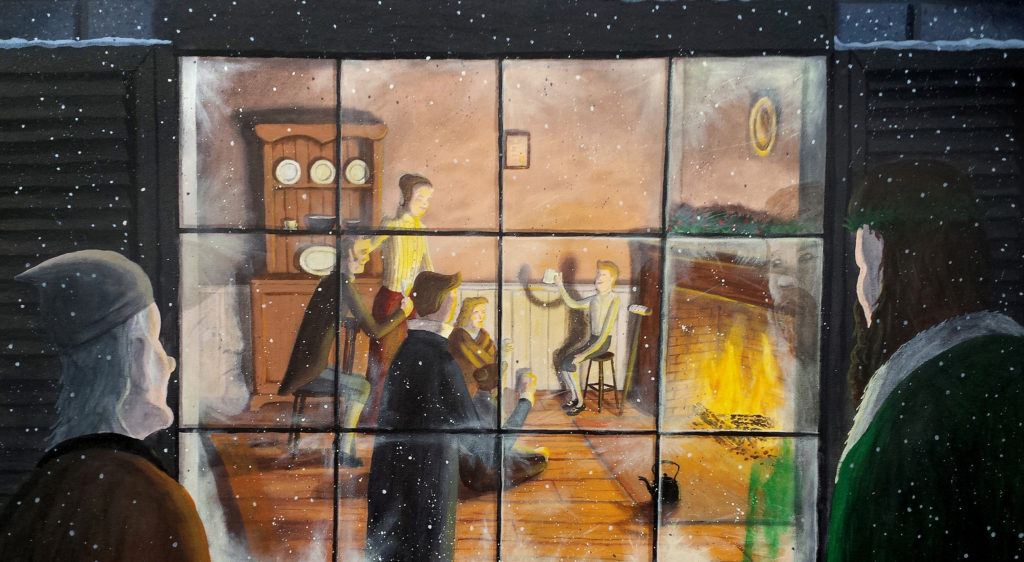
The horrors you have known derive their power to ruin your future holidays from the pain and resentment you still feel for the experiences you have endured. For many, those holiday memories are tragic, but they need not control our present or future.

It can be difficult to sort through the memories of the past or restrain ourselves from unrealistic expectations for the future, but it is vital that we maintain perspective during the holidays.

A state of gratitude generates a calming sense of security as it promotes a feeling of fulfillment. A decision to behave as a person with gratitude requires that you take positive assertive action toward the development of security for others.

In the early 1970’s, alcoholism was dubbed the lonely man’s disease. While it is true that addictive disorders generate a wide variety of emotional patterns, the loneliness that both addicts and co-addicts experience is a hallmark feature of the illness.
668 Commons Way, Bldg. I
Toms River, NJ 08755
Mon-Fri: 9am-4pm
Sat-Sun: Closed